Studio role
Product validation, UX research, workshops, UX strategy, information architecture, UX/UI design, design system, prototyping and development handoff.
Context
DICIO Alliance emerged in a financial context where validating information against trusted sources requires security, traceability and coordination across multiple actors. The underlying technology combined blockchain and artificial intelligence, but the product value depended on something harder: making it understandable and operational for people making critical decisions.
The work started as a product validation process. Before designing the final platform, the team needed to understand which information was truly useful, which processes had to be visible and how to represent technical evidence without turning the experience into something only specialists could read.
Challenge
The challenge was not just to design a dashboard. The platform had to translate blockchain + AI processes into actionable information for internal teams, banks and clients, while maintaining traceability, trust and operational clarity.
There was a natural tension between technical depth and human readability: showing too much could overload the interface; showing too little could hide the evidence needed to audit, understand status and make decisions. The solution had to provide visibility without noise.
Objective
The business objective was to validate and structure a B2B product capable of administering validation processes supported by blockchain and AI, with enough clarity to be adopted by internal teams and clients.
The experience objective was to reduce the distance between technical complexity and day-to-day decision-making. The system had to let users understand status, risk, traceability and activity without relying on external explanation.
The design objective was to build a scalable platform: clear to read, consistent in its patterns and ready to grow with new views, modules and operating scenarios.
Approach
We worked with the client through an initial discovery and validation stage: workshops, flow review, actor analysis, definition of critical information and criteria to understand whether the product solved a real problem for operational users and clients.
From that foundation, the process evolved into UX/UI: information architecture, journeys, wireframes, prototypes and visual system. Each decision aimed to organize complex data into readable layers: executive overview, operational detail, process traceability, node status and enough evidence for auditability.
Product validation
The first phase focused on understanding whether the proposition solved a real problem and how it should be explained. We worked with the client to map actors, responsibilities, decision points, information flows and trust criteria.
This stage helped separate the essential from the secondary: which data needed to appear in an overview, which evidence was needed in detail, which statuses required alerts and which information had to remain available for audit or operational follow-up.
Architecture and data readability
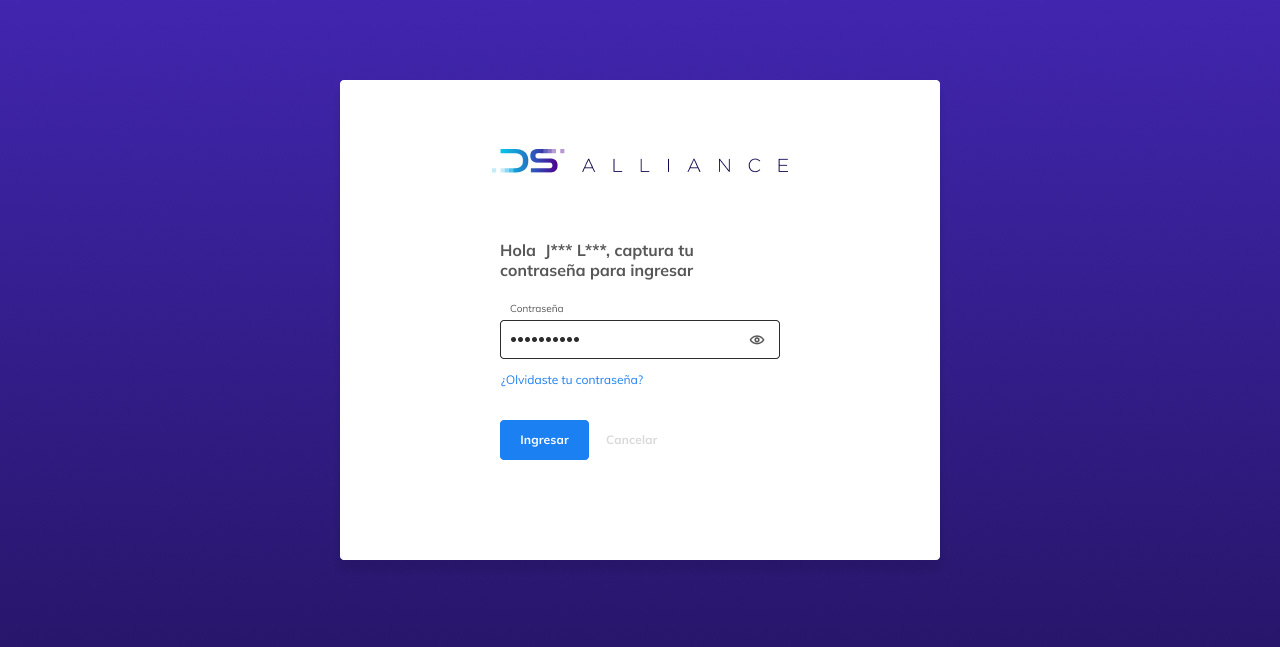
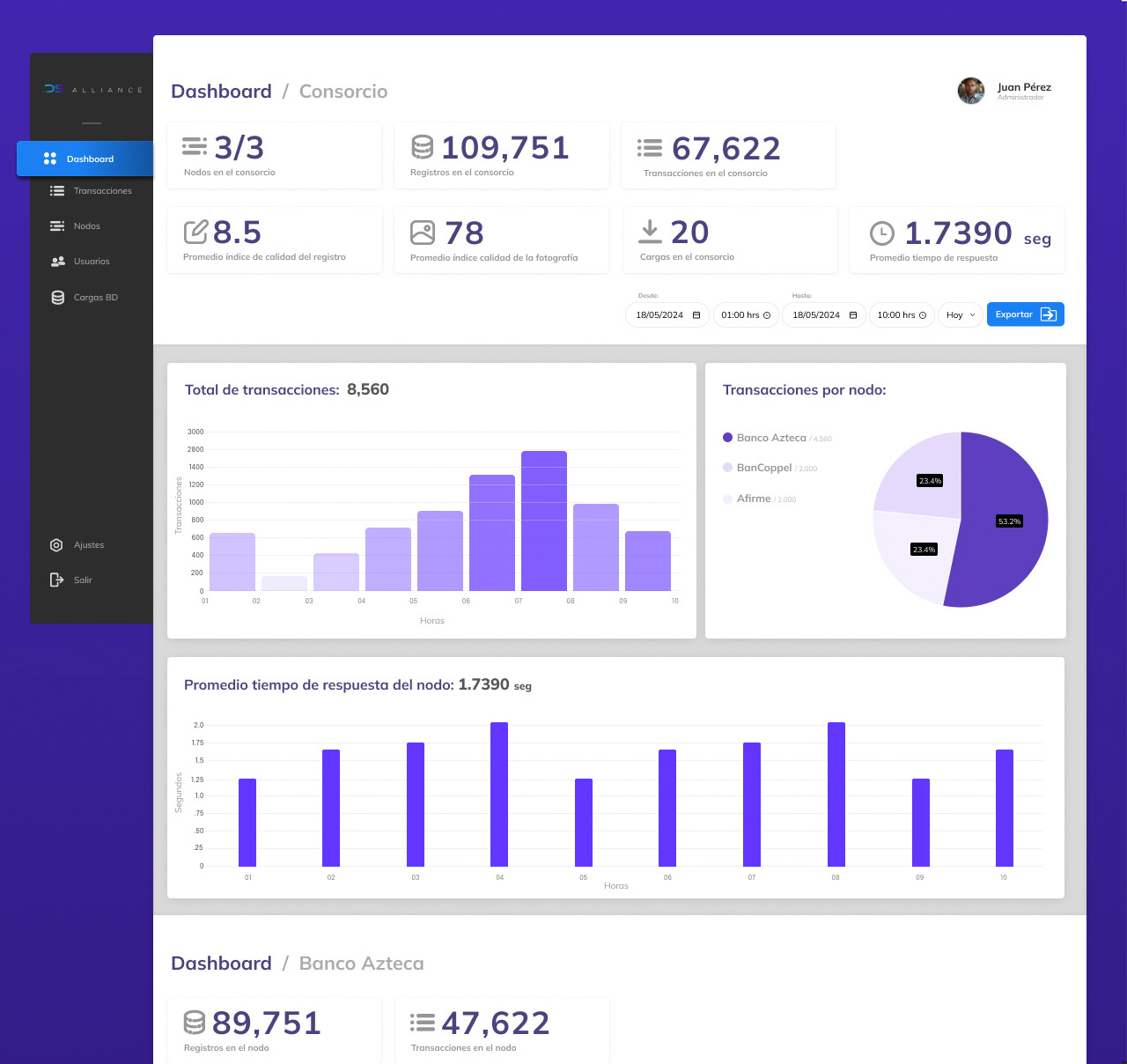
The information architecture was designed in layers. First, an executive view to understand system health, volume and activity. Then, operational views to review nodes, transactions, record quality and process status.
The intention was to prevent users from having to “decode” the technology. Data was grouped around human questions: what is happening, where attention is needed, which process explains it and what evidence supports the current status.
Solution
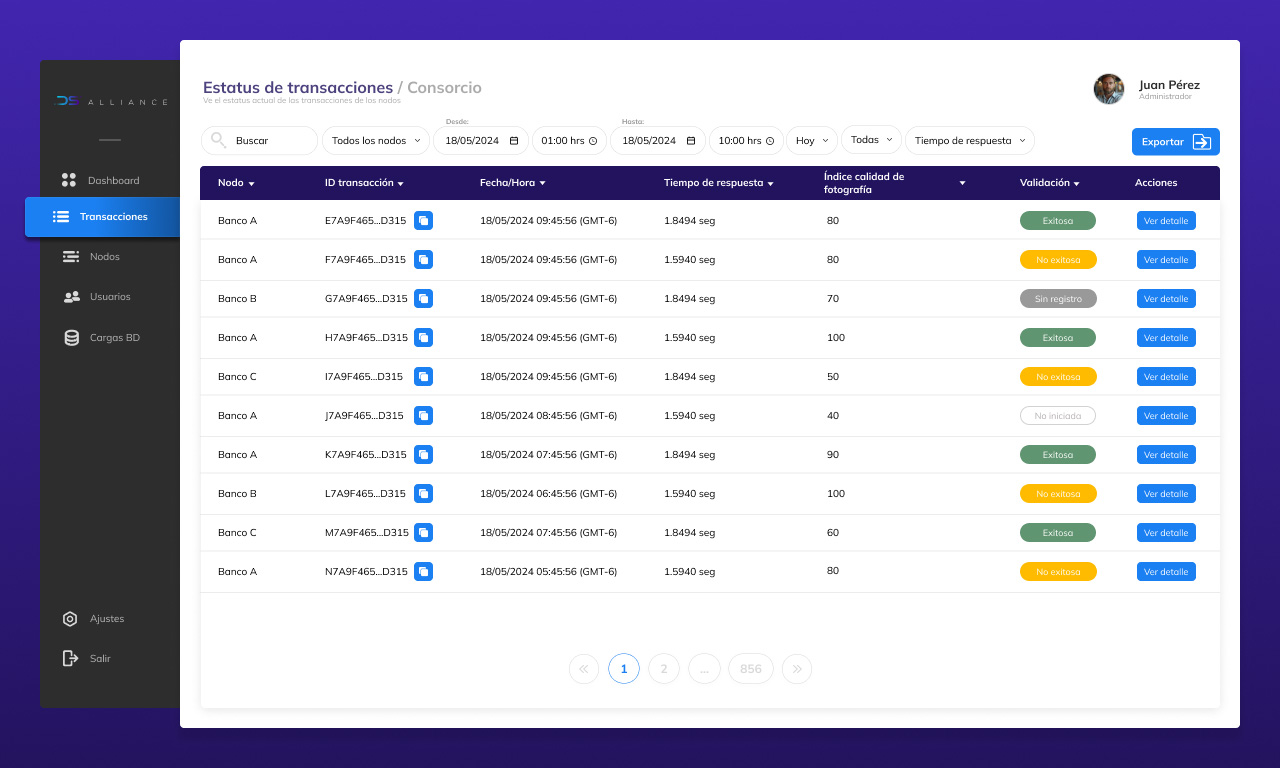
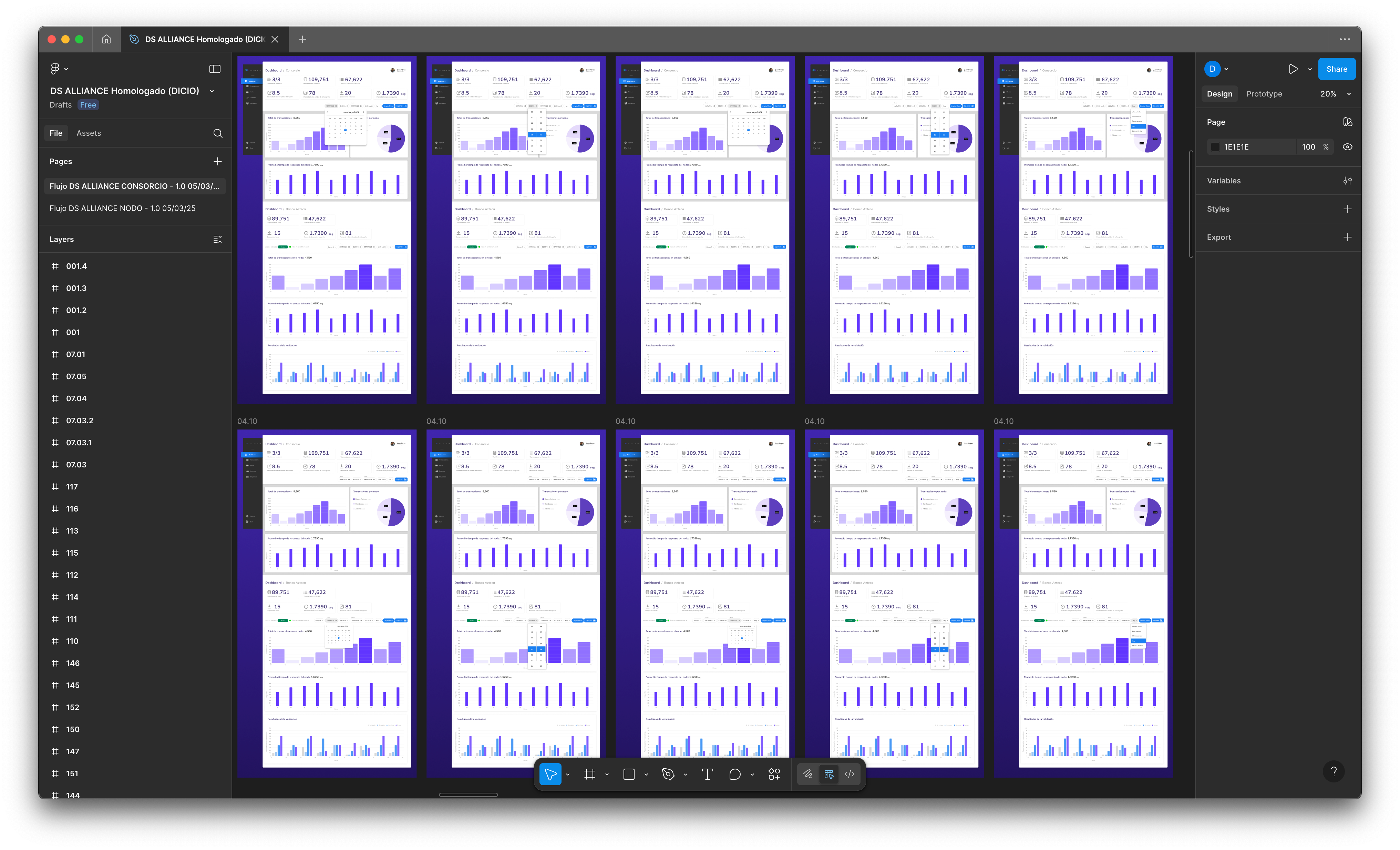
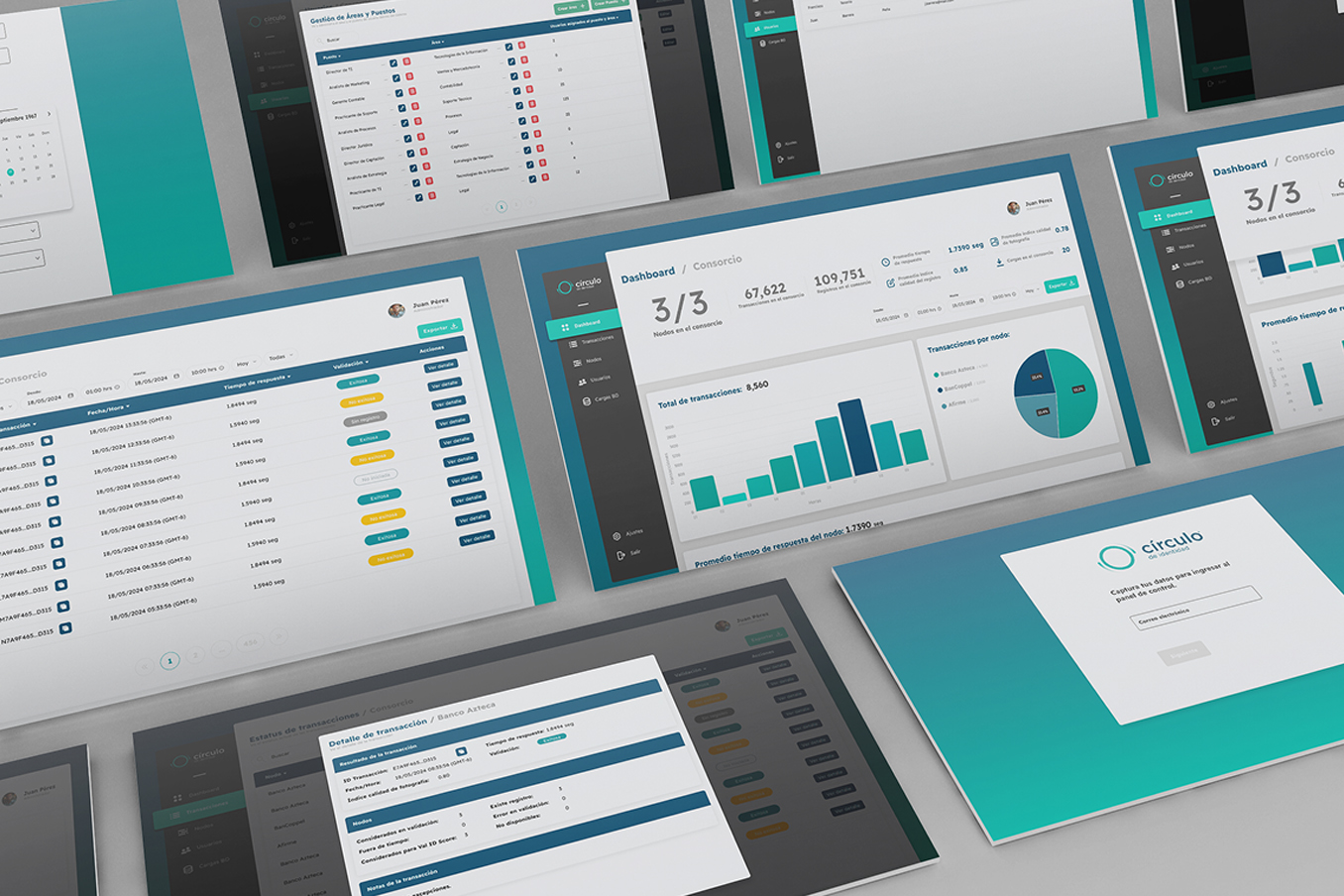
The solution was an administration platform where technology becomes visible in a useful way. The dashboard organizes KPIs, statuses, nodes, transactions and validation signals so teams can understand what is happening, detect anomalies and operate with greater confidence.
AI and blockchain do not appear as decorative claims: they work as processes with signals, statuses and evidence. The interface lets users move from a general overview into deeper layers without losing context, using visual hierarchy, readable tables, clear indicators and consistent patterns for operational reading.
Visible blockchain + AI
A key decision was to treat blockchain and AI as observable processes, not as a product label. The interface had to show signals, statuses, validations and traceability in a way that made the information journey understandable.
This led to components for statuses, metrics, tables, filters, transaction detail and contextual evidence. The system lets users move from a general reading into a deeper explanation without breaking task continuity.
UX/UI for real operations
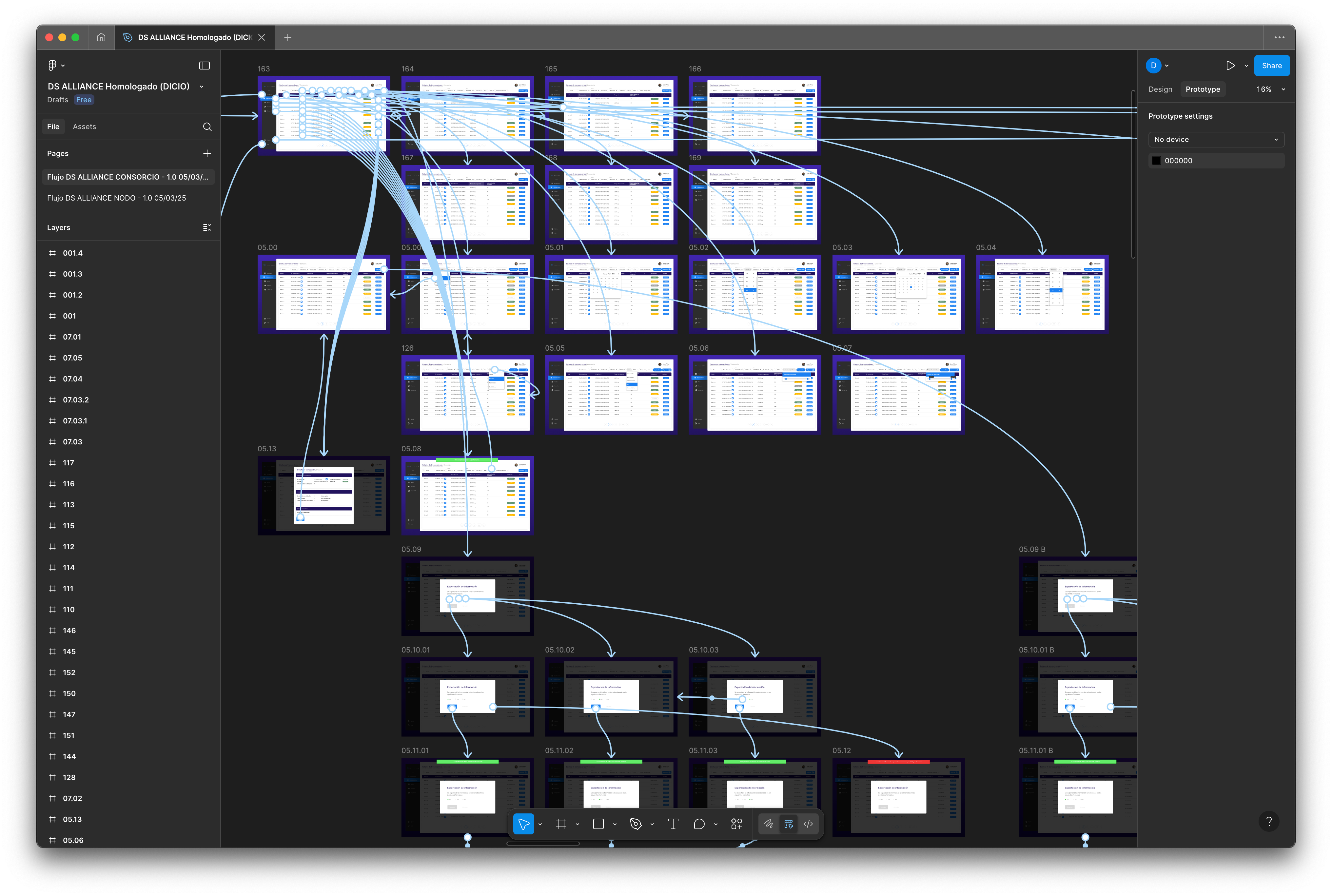
After validating the product logic, we moved into a full administration experience. The work covered wireframes, prototypes, final UI, navigation patterns, visual hierarchy and a component system to maintain consistency across modules.
The platform had to work for internal teams and clients, so each view was designed for repeated operation: fast reading, comparison, filters, detail review and export or follow-up whenever the process required it.
KPIs and success criteria
Relevant KPIs for this type of platform include transaction visibility, time to identify a critical status, reduction of steps to review evidence, adoption by internal users, dashboard consultation frequency, filter usage, traceability consulted per process, operational errors and support requests related to data interpretation.
These indicators are framed as measurement criteria for product operation and evolution; they are not presented as quantitative results attributed to the project.
Deliverables
The project included discovery, validation sessions, actor and flow definition, information architecture, journeys, wireframes, prototypes, final UI, design system, components, functional documentation and development-ready assets.
The delivery established a clear base to operate the product in production and evolve it with new modules without losing consistency.
Results
The project resulted in a live platform, with an experience structure prepared to administer a complex B2B product and make it understandable for different profiles: internal team, consortium, banks and clients.
The work turned a complex technology architecture into a clearer operating system: better process visibility, more human reading of critical data and a design foundation able to grow with new modules.
Learnings
In products with blockchain and AI, the interface should not hide complexity: it should organize it. Trust appears when users can read evidence, understand statuses and follow a process journey without having to interpret the technology from scratch.
Trust is not designed by hiding complexity, but by making visible what people need in order to decide.DMX Studio
Gallery